
PERSPECTIVES
When the Medium Looks Like Truth
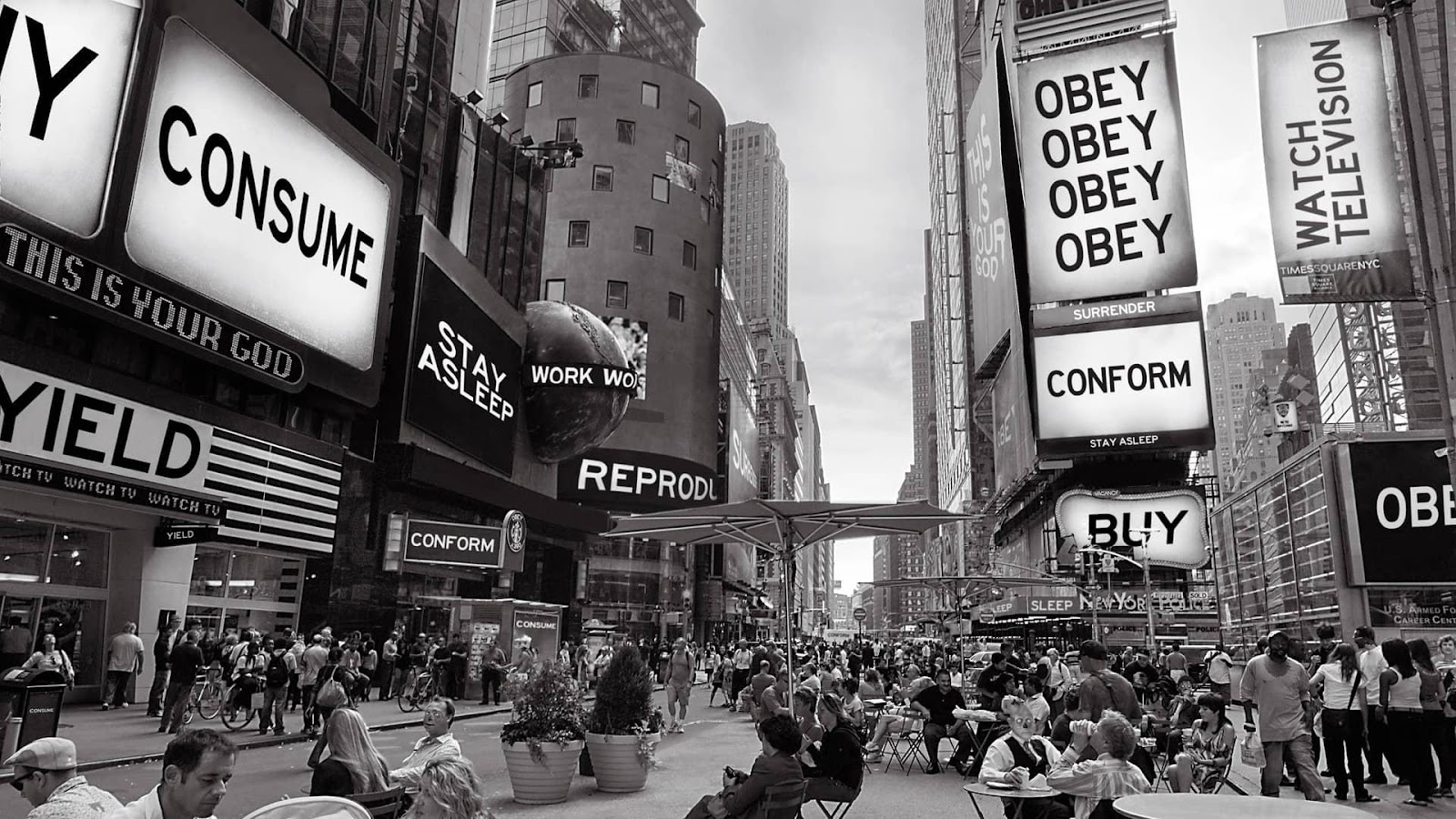
Ads made sense when the interface was a page.
They get ethically weird when the interface becomes an answer.
For most of modern media, we climbed the same ladder: paywalls didn't scale for daily-life utilities, ads subsidized access, and tracking and programmatic targeting became the optimization layer that made ads work. Ads weren't inherently immoral. They fit the medium.
But the medium is changing.
Search is a navigation interface. You get options. You choose sources. LLMs are interpretation interfaces. You get one synthesized response that feels like the best answer.
And when the product is interpretation, monetization starts to sit inside truth-production.
That is the shift.
The risk is not just that an ad appears next to the answer. It is that business incentives can start shaping what gets retrieved, what gets emphasized, what gets framed, and what people come away believing. Even if ads are labeled, influence can still happen upstream.
In an answer-shaped medium, the old incentive to optimize for clicks starts colliding with the need to optimize for truth and trust.
The better path is to monetize understanding, not attention.
The real opportunity is to build models of what people believe, how they interpret signals, what they value, and how those things change over time. That kind of market can be consent-based, compensated, safe, and purpose-bounded. People opt in. Organizations pay for aggregated understanding, not embedded persuasion.
When a medium starts to look like truth, monetization has to respect truth.
See echo in five minutes.
Bring a question. Get a real answer from real people, on the AI they already use.