
INDUSTRY INSIGHT
Your Packaging Is Saying More Than You Think
Shoppers don't just see a package. They use it to decide what the product is, whether it feels safe, and whether it's meant for them.
On this page
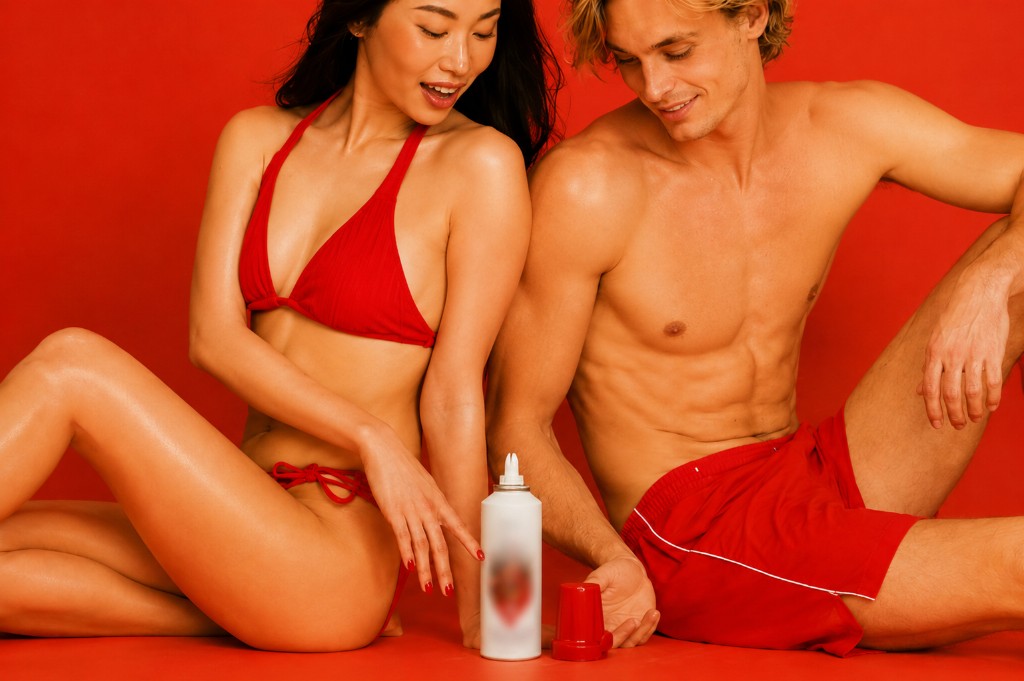
A sunscreen brand designed its can to look like whipped cream. Fifty-five percent of shoppers worried it looked unsafe or edible.
The Package Looked Fun. It Also Looked Edible.
We put a sensory-first sunscreen brand's novelty packaging in front of a national sample. Shoppers didn't just react to how it looked. They made assumptions about the product itself.
| Reaction to the novelty packaging | Share |
|---|---|
| Prefer traditional packaging | 59% |
| Find it gimmicky / unattractive | 58% |
| Worry it looks unsafe / edible | 55% |
| Find it attractive / beautiful | 34% |
More than half the sample read the can as looking edible. Over a third specifically feared accidental ingestion by children. For a product bought overwhelmingly for the whole family, that is not a style disagreement. It is a claim about the product's safety that the brand never wrote, printed on the brand's own pack.
The pack said "delight." The shopper heard "hazard."
The Right Audience Liked the Idea
The archetype split makes the problem sharper, not softer. echo's model identified two major audiences in the category: a design-driven self-buyer, representing 63% of respondents, and a family safety traditionalist at 29%.
Audience archetypes in the sunscreen category
- Design-driven self-buyer63%
- Family safety traditionalist29%
- Other8%
The design-driven self-buyer is exactly who this packaging was built for. They care about scent, style, and novelty. The opportunity is to keep what makes the packaging distinctive without making the product itself harder to understand.
Read the full breakdown in Shoppers Will Buy the Experience. They Won't Buy the Hype.
The Fix Is On-Pack, Not In-Concept
The instinct behind the design was sound. The sensory idea has a real audience, and the segment most likely to respond to it is the largest in the category. The bigger claim tested weaker. Only 28.9% said they were likely to buy "the world's best-smelling sunscreen," while 33.5% said they were unlikely. The concept survives. The execution leaks.
Three moves follow from the data:
- Make the category obvious. "SPF" and "sunscreen" should be impossible to miss on the package.
- Lead with proof, not hype. Show shoppers what the scent, feel, and finish are actually like.
- Build for the 63%. Put the product in the channels and contexts where design-driven shoppers already look for something different.
- 55% worried the novelty packaging looked unsafe or edible, pointing to a fixable packaging issue rather than a bad concept.
- The design-driven audience the brand was built for was the largest segment at 63%.
- Only 28.9% said they were likely to buy based on the "world's best-smelling" claim, suggesting the experience needs proof, not hype.
Study: national sample, packaging and message test, brand anonymized.
See echo in five minutes.
Bring a question. Get a real answer from real people, on the AI they already use.