


BLOG
Thinking on AI, Intent & Research
Perspectives from the echo team on AI conversations, market research, and the future of understanding people.

In an Outbreak, the Most Credible Voice Isn't Selling Anything
60% of people view a pharma company more favorably for non-promotional outbreak education; only 11% view it less favorably. Across three parallel studies (n=708), the public forgives an outbreak far sooner than it forgives being kept in the dark. The ceiling isn't the pathogen. It's the silence.
Read →
The Objection That's Killing Your Deals Never Comes Up on the Call
Buyers carry objections they never say out loud, and deals stall with no visible cause. Probat found its silent objection in days, named it in the headline, and rebuilt 100% of its GTM around what buyers actually think.
Read →
The Agency That Walks In With Data Wins the Room
Two decks. One opens with a POV. The other opens with what 400 real consumers said this week. The room already picked. What overnight primary research looks like as agency ammunition.
Read →
You Can't A/B Test Your Way Into a Category That Doesn't Exist
One message won learn-more, believability, and purchase intent at ~35% each. The scare angle placed second-to-last and ranked among the most confusing. No A/B test tells you that before the budget is spent. Listening does.
Read →
Polling Broke. Public Opinion Didn't.
When the Swalwell allegations broke, every campaign in California had the same question: where do his voters go. Echo had the answer within days, from 1,729 real respondents, measured live as the collapse happened.
Read →
Supplement Shoppers Aren't Cheap. They're Unconvinced.
Only 18% of shoppers trust supplement claims, and 57% trust none of the challenger brands tested. But 58% lean toward paying a premium for proven benefit. The money is sitting behind the proof wall.
Read →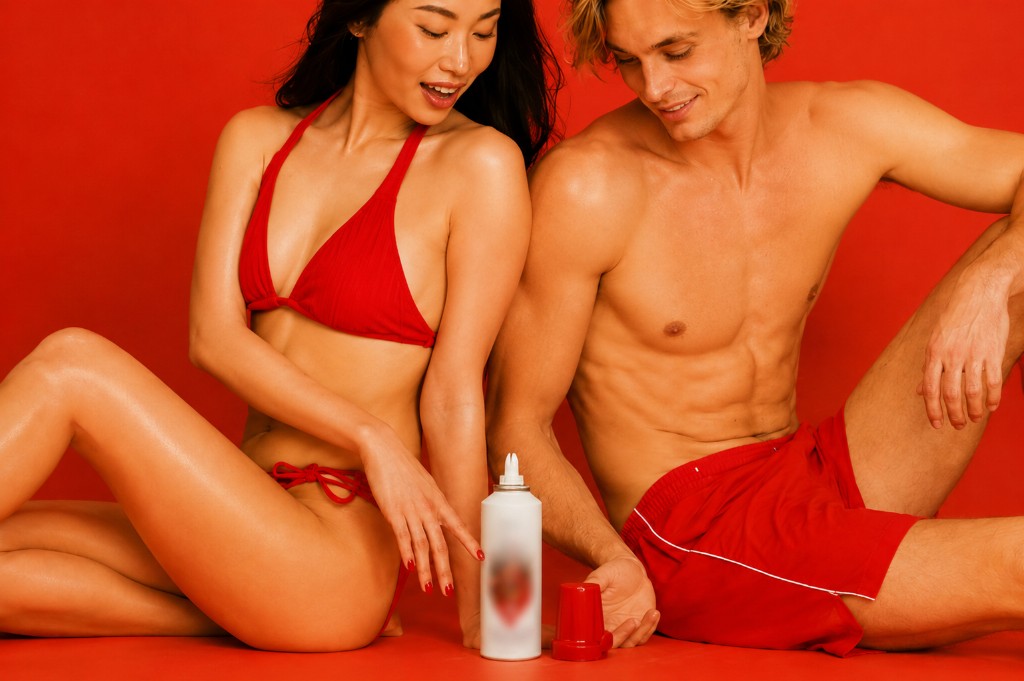
Your Packaging Is Saying More Than You Think
A sunscreen brand designed its can to look like whipped cream. 55% of shoppers worried it looked unsafe or edible. Shoppers use packaging to decide what a product is, whether it feels safe, and whether it's meant for them.
Read →